There is a timeless beauty about the way old churches are built, each distinct architectural style reflecting on the design and religious-spiritual values of their respective eras. The Philippines is no exception, especially with such a long history of Spanish rule and Catholic influence, and these styles are reflective of the country’s cultural identity today.
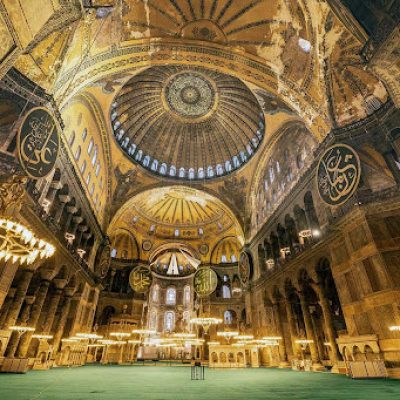
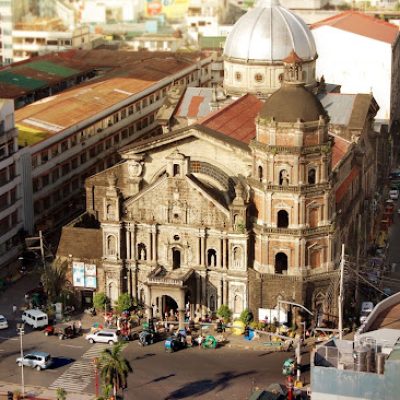
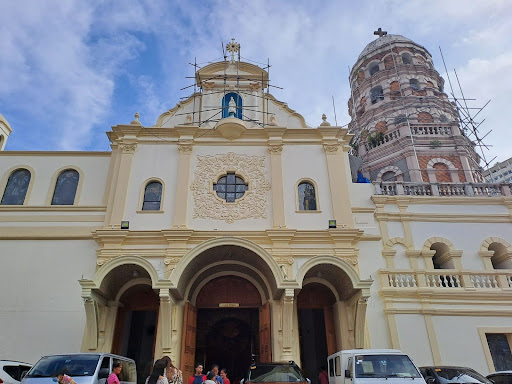
One of these styles includes Byzantine Architecture, which originated in the Eastern Roman Empire. The defining features of this style include domed roofs, beautiful mosaics, and intricate decorations, especially in the interior. Although not a prominent style in the Philippines in the purest sense, the Binondo Church is a worthy example that applies these features. A well-known heritage sight outside of the Philippines that embodies Byzantine Architecture is the Hagia Sophia in Istanbul, Turkey with its iconic dome and elaborate interior details.
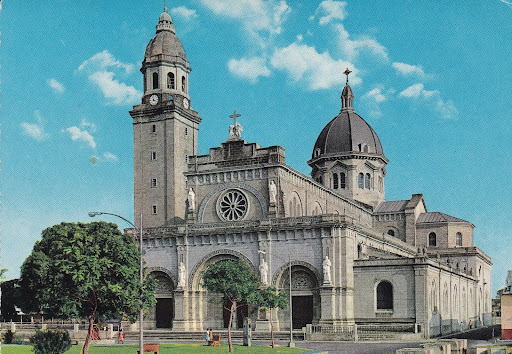
Romanesque Architecture emerged from Europe around the 10th century, being well known for its thick walls, pillars, relatively small windows, and round arches influenced by Byzantine Architecture. Two of the best known Romanesque churches in the Philippines are the Manila Cathedral and Santa Cruz Parish Church.
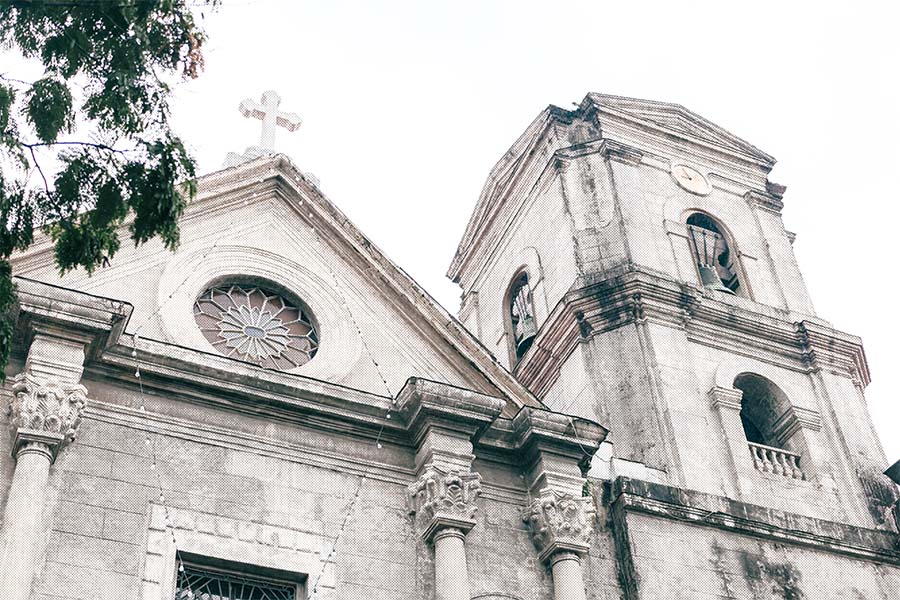
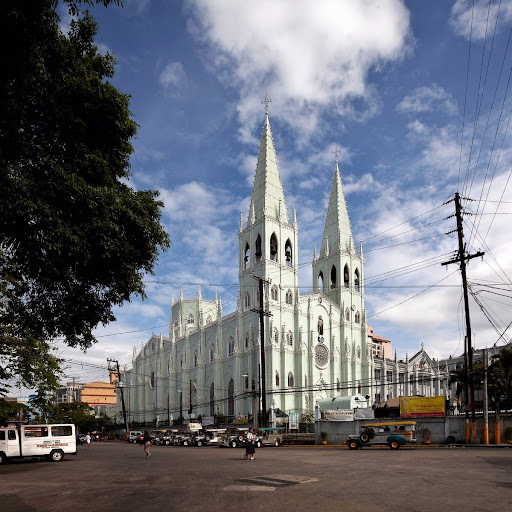
Gothic Architecture defined medieval European churches from the mid-12th to the 16th century. This style of architecture is known for its tall spires, pointed arches, and elaborate works of masonry. Despite the word “gothic” being associated with dark designs and aesthetics, Gothic Architecture was developed with the intention to bring in more sunlight to church interiors. The San Sebastian Church, the only church in the Philippines constructed out of steel, is distinctively Gothic in style.
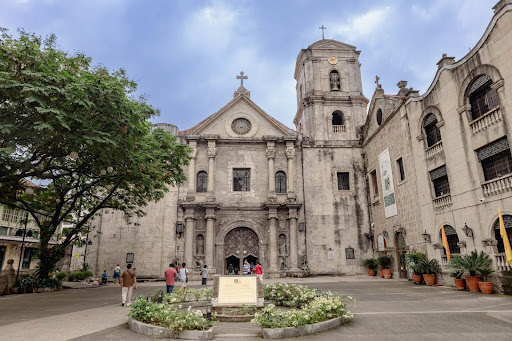
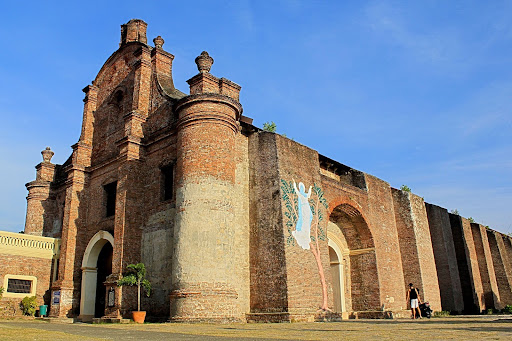
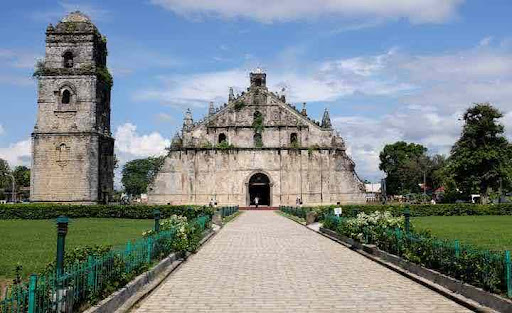
What became known as Renaissance Architecture began in Italy in the 15th century. The style took inspiration from Gothic Architecture and created its own identity with classical ideas in art and aesthetics that were being rediscovered. A common architectural style in the Philippines, it can be seen in structures such as Santa Maria Church, Paoay Church, and San Agustin Church.
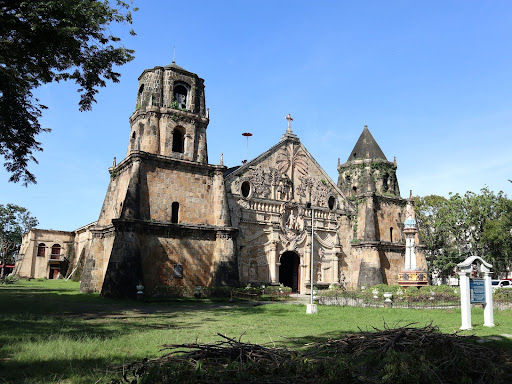
The Baroque style of architecture originated from the late 16th century until the early 18th century. It introduced more ornate and dramatic elements on top of the Renaissance style to project the strength of the Catholic Church and colonial rulers. Miagao Church is one example that was made with the style of Baroque Architecture.
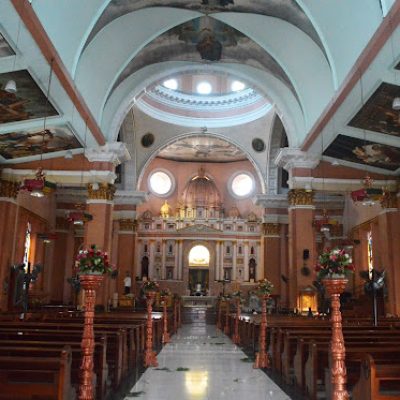
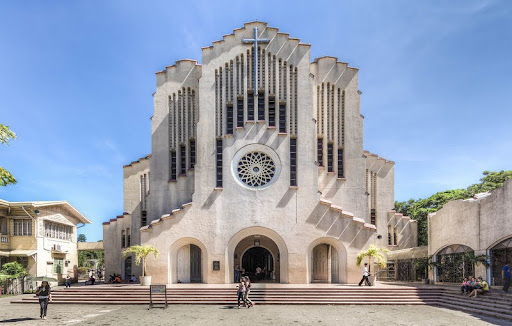
The late 19th century marked the beginning of the Modern Era, which saw minimalism and simplicity as defining concepts in the architecture of its time. Although they adopted the Gothic feature of having windows bring in more sunlight, churches were otherwise designed to look simpler and cleaner. The Baclaran Church takes on a Modern appearance of the Romanesque style, with its inviting exterior and round arches.