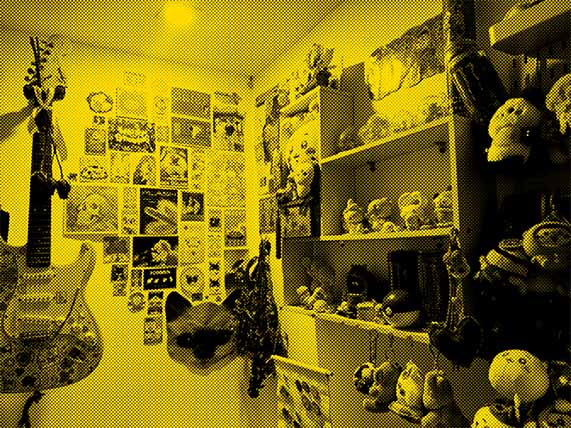
Maximalism has always existed, although the movement gained more modern awareness in the field of visual arts when Iranian artist Daryush Shokof popularized the concept in the early 1990s. The whole idea behind maximalism can be summarized as “more is more”, in direct contrast to the concept of minimalism in aesthetics, which states that “less is more.”
Maximalism is no stranger to Filipino art and culture. Filipino anthropologist Felipe M. De Leon Jr. states that the approach toward expression for Filipinos is maximalist, describing it as the inclination to “fill up every available space with forms and things.” He cites that the reason for this is that it comes from “an expressive exuberance deeply rooted in emotional sensitivity and the strong urge to connect.” The jeepney, a cultural icon of the Philippines, is a prime example of its maximalist attitude, as it came from abandoned American military vehicles that later converted into a popular mode of urban public transport. The exteriors, and sometimes interiors, of jeepneys display a variety of decorations and colors, such as signages, paintings on both sides of the vehicle, and decorations placed on the hoods.
Instances of maximalism can be seen throughout the Philippines, but the culture of maximalism is not unique to the nation, especially when you look elsewhere in Southeast Asia where it manifests in different forms, influenced by the region’s diverse variety of cultural identities and traditions. Southeast Asian maximalism can be seen in the regions’ visual arts, performing arts, culinary arts, clothing, architecture, and festivals. This fact highlights that maximalism is not just an aesthetic choice, but collective philosophy shared by many in which limitations do not exist, one in which development and possibilities are embraced.
Theatre
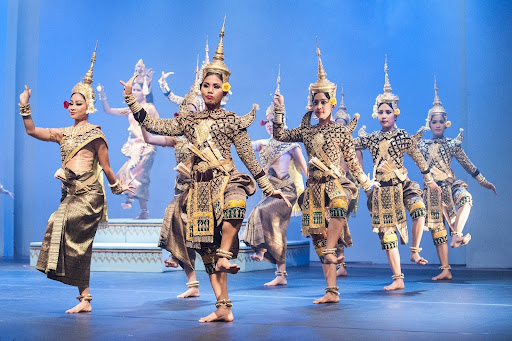
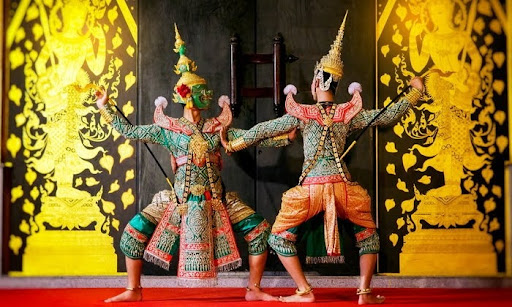
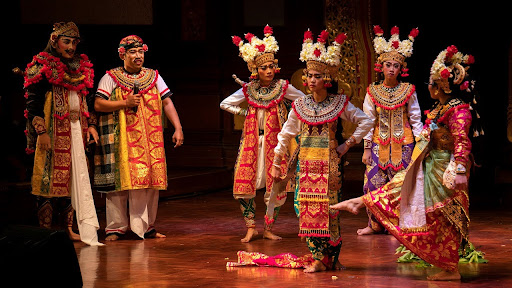
Performing arts in Southeast Asia typically utilize minimally designed sets, which puts more emphasis on the costumes that sport intricate designs and ornaments. When looking at these costumes, you can notice the Buddhist and Islamic influences that were historically prevalent in the region, in contrast to the majority Catholic Philippines.
Transportation
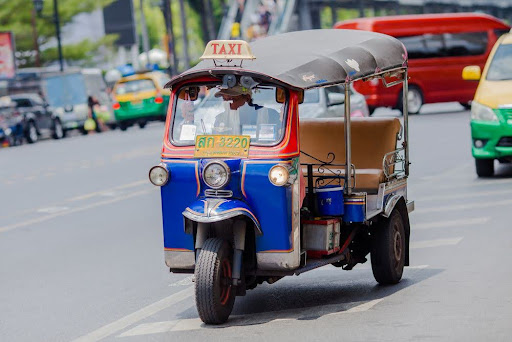
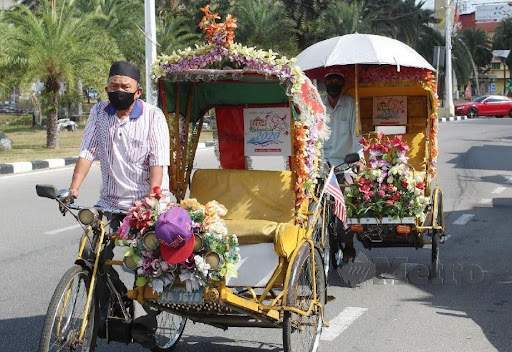
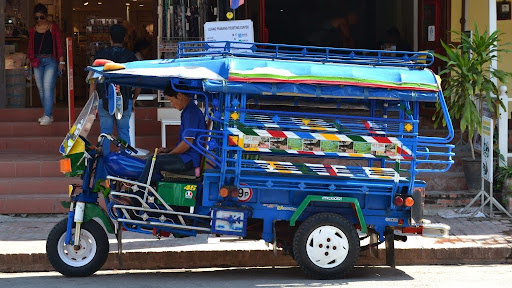
The aforementioned jeepney is a distinct symbol of the Philippines, however it is not the only mode of public transportation in Southeast Asia that embodies maximalism. The tuk-tuk is prominent in several Southeast Asian countries, particularly Thailand, Cambodia, and Laos. Rickshaw variants such as the Malaysian beca, Indonesian becak, and Vietnamese Xích-lô are also common, whether human-powered or motorized. When comparing these to forms of transport in other parts of the world, it is important to know that in the context of a rapidly globalized economy in which time and resources become increasingly scarce, the efficient use of space and passenger maximisation often takes precedence over safety and modernization.
Domestic Spaces
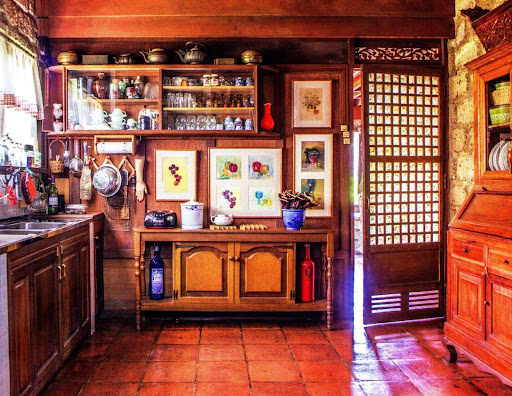
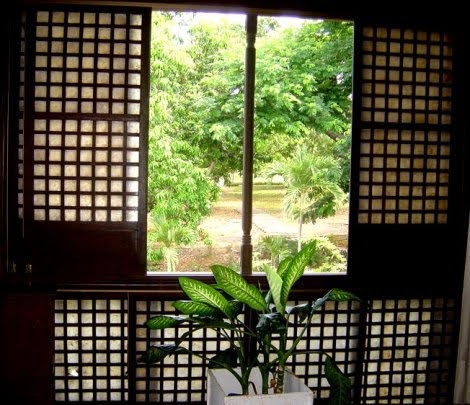
Southeast Asians also practice maximalism in their homes. This is reflected not only in their functional spaces, but through the resources available to them. For example, traditional pre-colonial Philippine houses use capiz window panels, which are made from oyster shells, a locally-sourced and sustainable alternative to glass. Durable against harsh weather and effective in light diffusion, capiz window panels have become an iconic staple in Philippine architecture.
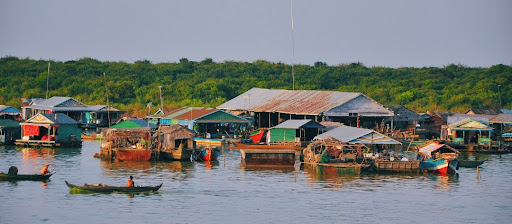
Floating villages are popular sights in Cambodia, especially in the Tonlé Sap, the largest freshwater lake in Southeast Asia. These communities were formed as an adaptation to extreme seasonal water level changes that would make living on land difficult. More than just fishing villages, these communities include schools, shops, and their own police.
It is worth noting that Western societies value privacy due to their culture of individualism. In contrast, Southeast Asians have the tendency to prioritize the community before the individual, treating their domestic space as almost like an extension of public space by welcoming visitors, attributed by their values of hospitality.
Meals
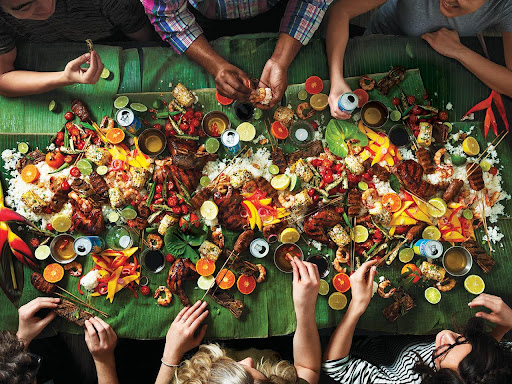
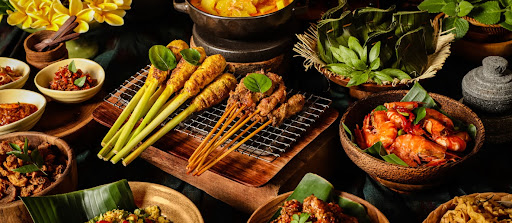
Westerners are typically time-oriented, while Southeast Asians are space-oriented, and this difference can be seen in how they approach meal courses. The concept of meal courses starting with appetizers, followed by the main course, and ending with desert is a Western idea. However, traditional Southeast Asian meals don’t follow this linear order, since everything is served at the same time with no clear indication of what is the appetizer, main course, or desert. This results in an array of colorful options that is considered maximalist.
The Filipino tradition of kamayan and Indonesian traditional meals highlight Southeast Asian values of communal bonding and sharing, as well as resourcefulness through the use of banana leaves as an alternative to plates, and the preference to forego using utensils.
Market Places and Malls
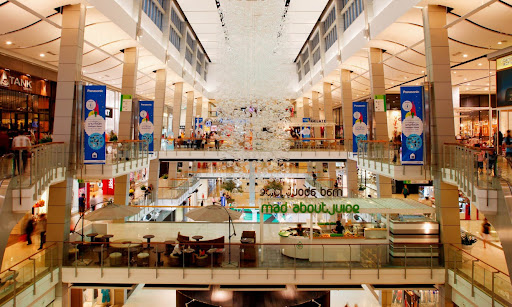
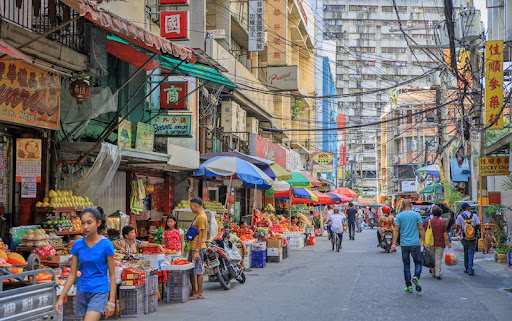
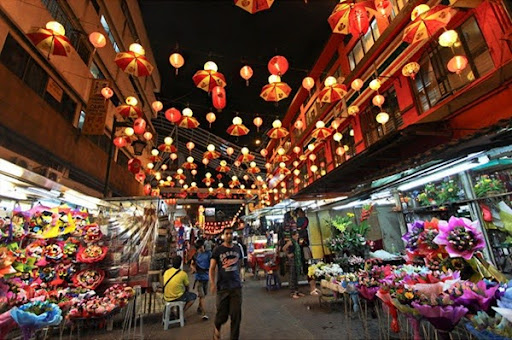
The atmosphere of shopping centers in Southeast Asia are one of the region’s more distinctive features. Marketplaces in particular, are strong places of interest, offering a variety of affordable merchandise ranging from fresh meats and produce, clothes, furniture, and electronics. Marketplaces are usually held in open public spaces that welcome large crowds of customers, and often welcome the flexible bargaining of prices.
Malls, on the other hand, are privately owned establishments, but still capture the essence of commercial variety and the maximized use of space. Southeast Asian malls blend areas for shops, food, and leisurely activities into one big space, so that consumers can seamlessly move on to the next activity without traveling that far of a distance. These malls often offer cinemas, concert venues, grocery stores, banks, medical clinics, and even churches and prayer rooms.