
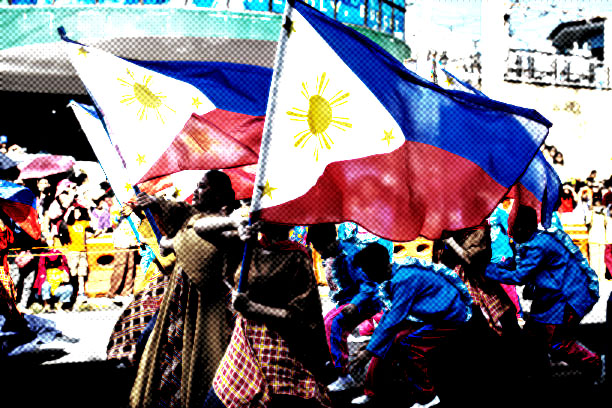
Pinoy: The Personality that Captures Maximalism
MORE LIKE THIS
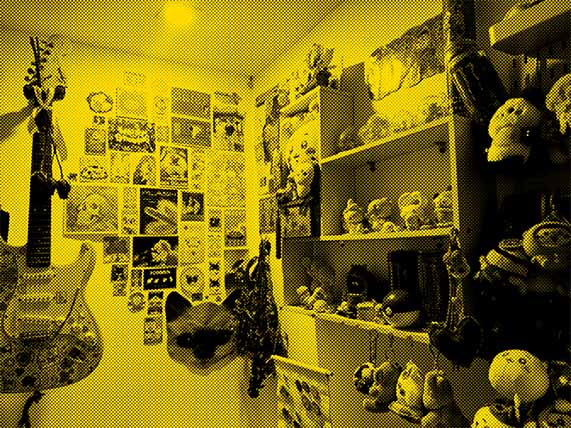
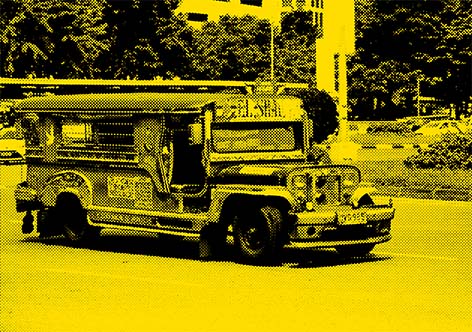
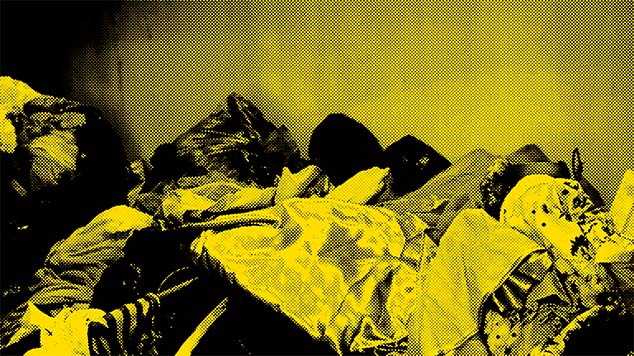
If there is a culture that embodies maximalism, it is definitely that of the Pinoy. Anthropologist and Commissioner of the National Commission for Culture and the Arts Felipe De Leon Jr. stated in 2012: “The common Filipino is a maximalist, filling up every available space with forms and things. It springs from an expressive exuberance deeply rooted in emotional sensitivity and the strong urge to connect.” This sentiment is reflected in homes, communities, artistic choices, collections, and experiences.
It’s understandable why attempts to maintain a minimalist interior style ends up messy over time, despite regular maintenance and curations. Scandi and Japandi interior styles, which are quintessentially minimalist with white or neutral colors and wood accents, don’t seem to agree with the common Filipino who gravitates toward styles that harken to their culture and expresses who they are personally.

Filipinos have their own terms for the things they like to surround themselves with: abubot, anik-anik, ano-ano, and burloloy.
“Abubot”, “anik-anik” (knick-knack), and “ano-ano” (this and that), essentially mean the same thing: miscellaneous decorative items or precious keepsakes. These usually hold immense sentimental value because it was given as a gift, a souvenir, or marked a memorable event. Such items can be display ornaments, wedding invitations, or concert tickets.
“Burloloy”, is similar, but more so refers to an accessory, item, or detail that completes the whole. It is a small, but distinct supplement, something that expresses one’s individuality and desire to stand out. This best describes the various decorations and features of the jeepney’s sides and dashboards.
Certainly, Filipinos are a sentimental people. Despite strong communal values, they also want to be recognized as individuals. Adding to this is the tendency to be frugal and to not throw things away because of the sayang mentality, or “baka magamit ko mo nila iyan” (maybe I’ll make use of it) in the future. Many can relate to keeping and reusing disposable boxes, or storing unused plastic utensils and tissues just in case.
What is Maximalism?
As a trend, maximalism is seen as the reasonable reaction to minimalism. People wanted to move on from the mantra of “less and more” and embrace the idea that “more is more”. As a definitive artistic style, its roots go back to the 17th and 18th centuries when interior designers adorned spaces with extravagance and abundance with the iconic styles of Baroque, Rococo, and Neoclassicism. Gilded mirrors, tapestry paintings, intricate chandeliers, and overly decorated arches defined these styles of architecture. By the 19th century, the Victorian era combined inspiration from past styles, which resulted in a truly maximalist appearance.
Today, maximalism sees a revival with creative experimentation of colors, texture, patterns in art, and personal collections across time, especially in how the Gen Z demographic expresses themselves.
What Makes Filipino Maximalism Unique?
For visual artforms to be maximalist, they have to be bold, dramatic, and flamboyant. These traits also fittingly describe the common Filipino.
When you look at the country’s many ethnolinguistic groups, their spiritual and religious rituals are full of color and features that hold meaning. Zarzuelas, kundimans, haranas, and fiestas keep the romance in our culture. Our weaves are bright in color, embellished with charming patterns and design choices such as highlighting metal beads.
When it comes to interiors, and everything else, this translates into opulence and excessiveness. The influences of our history, local cultures and global exposure culminated into our identity of versatility and multifacetedness.
Original article can be found at:
Adlawan, A.H. (2024, October 9). The Personality That Goes For Maximalism. MyBoysen.
https://www.myboysen.com/the-personality-that-goes-for-maximalism/