

Meaningful Maximalism: The Filipino Desire for Design and Balance
MORE LIKE THIS
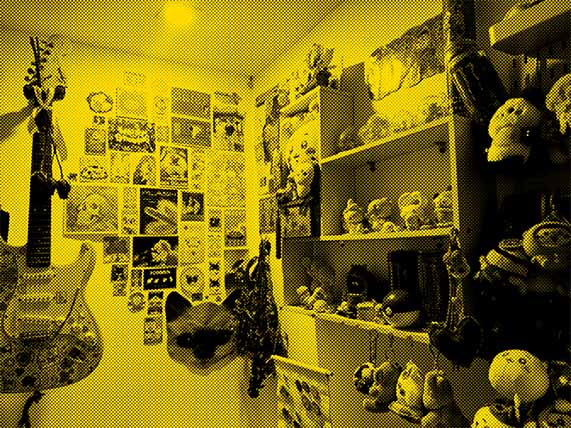

Picture this: a Danish butter cookie box used to store sewing kit materials. Various sando bags folded triangularly, stacked upon themselves, and stored in an eco-bag somewhere in the house. A patterned blanket draped over an otherwise simple couch. A Santa Claus statue with a sampaguita wrapped around it, ironically placed next to a wooden barrelman on the shelf, along with miscellaneous trinkets and plates. Over at the kitchen is an ever-growing collection of ice cream tubs, spare plastic spoons and forks from takeout orders, used ang-pau envelopes, and beads from broken bracelets.
These items are kept, because there is always another use for them.
They lie in plain sight, because where else would they be? For most households, there are no other places to hide these items, as every space is filled and everything is placed according to a selected function or meaning to the person or family living there. ‘This is for that, so it must go there. All things like this are stacked and kept inside here.’
Prof. Felipe M. De Leon Jr. said it best: “The common Filipino is a maximalist, filling up every available space with forms and things. It springs from an expressive exuberance deeply rooted in emotional sensitivity and the strong urge to connect.”
In Defense of Filipino Maximalism
Your space is an extension of yourself and a reflection of your community. It is a physical culmination of one’s values, memories, sentimentalities, and relationships. As opposed to the minimalism you would find in architecture and interior, which prioritizes function and time, Filipino maximalism is about one’s expression of the self, their creativity, how they survive, and their shared histories.
The Filipino maximalist curates their own style, and caters to their personal taste.
One of the more interesting associating factors of the Filipino maximalist is their history. If you take a look at indigenous art from different communities, you would notice that different shapes and colors occupy everything. Patterned textiles, bamboo houses, woven mats, and carved tools and instruments show that maximalism is ingrained to our collective culture. This is even more apparent during the Spanish era of design, where wealth and opulence were represented through the excess of items in the house. The bolder the layers and designs, the more it is appealing and fascinating to Filipino eyes.
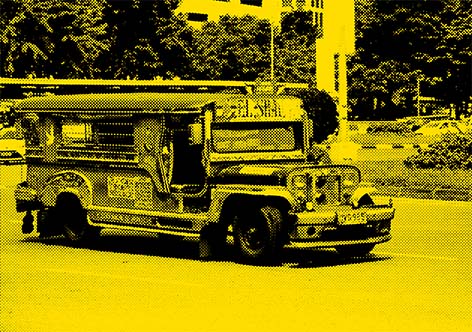
We can barely fathom the idea of our lolas’ and lolos’ houses without the character of their various decorative items, whether functional or non-functional. Filipino maximalism exists in our public markets, public transportation such as jeepneys, our street’s sari-sari store, the potted plants that double as parking space markets, and much more.
Balancing Maximalism.
However, it is important to remind ourselves that Filipino maximalism is about the collection of useful and/or memorable items. along with one’s personal and communal history, thus, we must leave enough space to welcome new things.
To make the best of our own sense of maximalism, we have to reflect on the origins and intentions of it. According to Architect Clarissa M. Lorenzo, maximalism comes from one’s “Horror Vacui”, which is defined as “horror of empty spaces or an aversion to empty spaces in artistic designs.” In extreme cases, this manifests in one’s scarcity trauma, or the anxiety that compels people to collect items in preparation for times of poverty or conflict. It can also come from one’s unhealthy desire to consume and over-compensate, which can affect their living space or even the natural environment. In such cases, maximalism may prove to be one part of our mentality that we should learn to balance.
With that in mind, here are some tips that can improve your relationship with maximalism:
- Organize your clutter. Store similar items together and in designated spaces for ease of finding. Organization is made easier with storage boxes, cabinets, trays, etc. Doing this maintains visual appeal without sacrificing functionality.
- Set emotional boundaries with your items. Many items kept in a maximalists’ collection are personal keepsakes, but it is important to remember that memories can be cherished in photos or in the actual relationships we share with others. In that matter, it is good to learn to slowly let go of things that no longer serve use to us, so that there is room for new things that resonate more with you.
- Collect with quality and/or variety in mind. Before making a new purchase, ask yourself if you already have similar or better items in your possession. If so, it would be best to forego buying and keeping more things that are too similar. Be mindful and selective of what to add to your existing collection.
- Maintain your functional spaces. As you build your collection, remember that your living space should retain functionality and ease of movement. Keeping empty spaces on floors, walls, furniture, lounge areas, and working spaces ensures you and your family have room to breathe and can navigate spaces without hassle.
- Make use of negative spaces. Leaving the surrounding space empty allows you to appreciate your sense of maximalism more. Similar to the last tip, it is healthy to leave negative spaces to avoid overwhelming yourself.
- Personalize your space and keep it clean. Prioritize keeping items that align with your personal taste, lifestyle, and relationships. Maximalism is something you do for yourself, so it’s best to relieve your space of bothersome items, hazards, and dust.
- Rotate and refresh. Rather than displaying your items all at once in one space, consider changing it up once in a while. This can help make your space appear more dynamic and complimentary to what you have. You can do so with a theme in mind, or an event or particular season.
- Ask for help when you need it. If you have a hard time letting things go, ask for assistance from others, and ask their opinions on what things you should keep, discard, or repurpose. Make sure the people you ask are ones you trust, so that you won’t make the wrong decisions on what to dispose.
Maximalism should not be a burden or stressor, but rather, a tasteful enhancement to your own personal space and life.
Original article can be found at: https://extrahomedesign.com/meaningful-maximalism-a-defense-for-filipino-design-and-balance/